The body is full of systems that hide in plain sight: a motor neuron can twitch a muscle without permission, capsaicin can make room-temperature food feel hot, and a baby's separate bony pieces can later fuse. These human body trivia questions begin in that half-known feeling—familiar enough to guess, strange enough to make you pause. Pick an answer, then open the explanation for the small, satisfying closure behind it.
Cool Facts About the Human Body
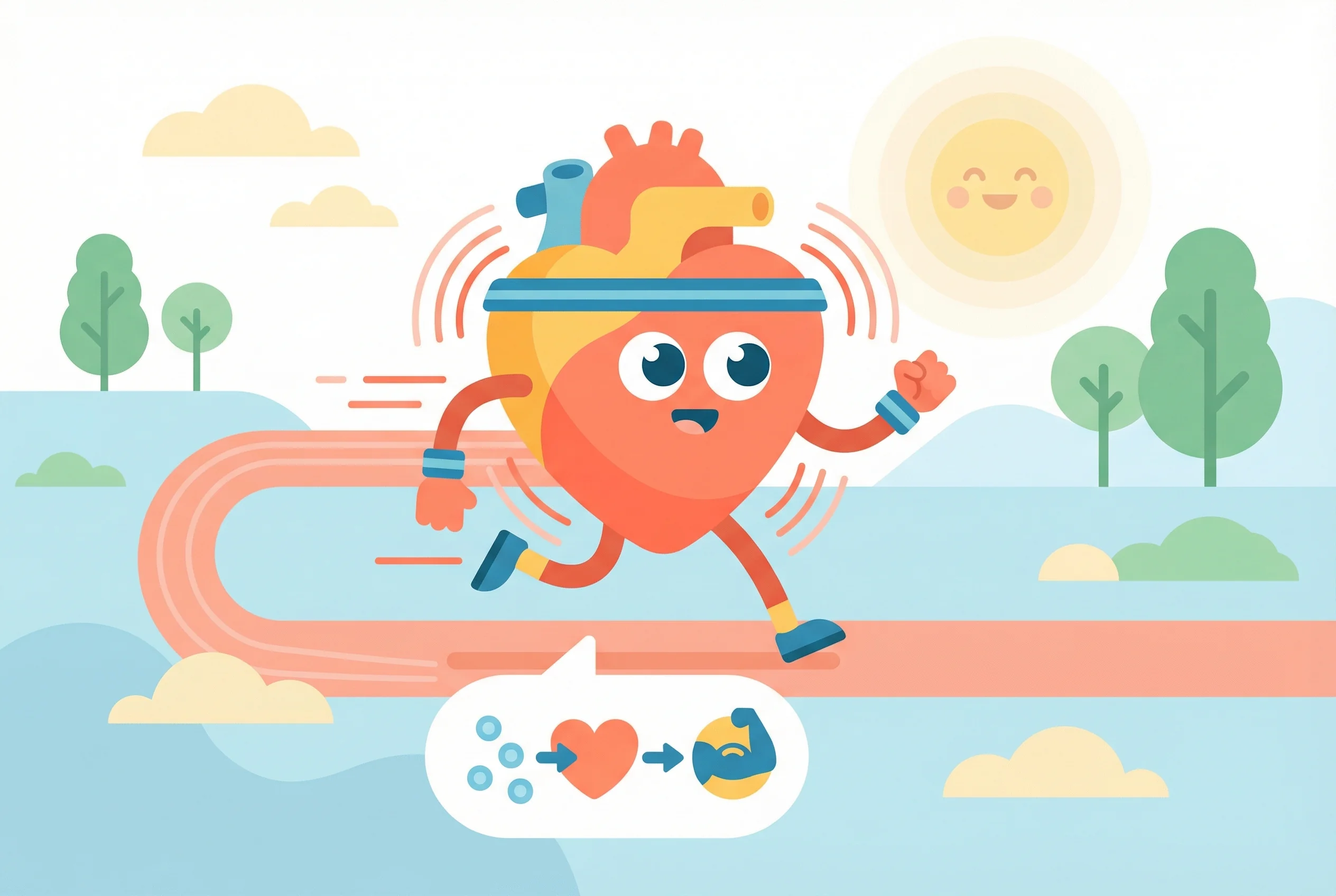
ATo deliver more oxygen to muscles
✓Correct — during exercise, working muscles need more oxygen and need carbon dioxide removed, so your heart pumps faster to move blood through the system.
BHeart muscles need warming up
✗Not quite — the heart is already working continuously. The faster beat is driven by the oxygen demand from your working muscles.
CTo remove sweat faster
✗Not quite — sweat comes from sweat glands. Heart rate rises to move oxygen-rich blood and clear metabolic waste.
Answer this question
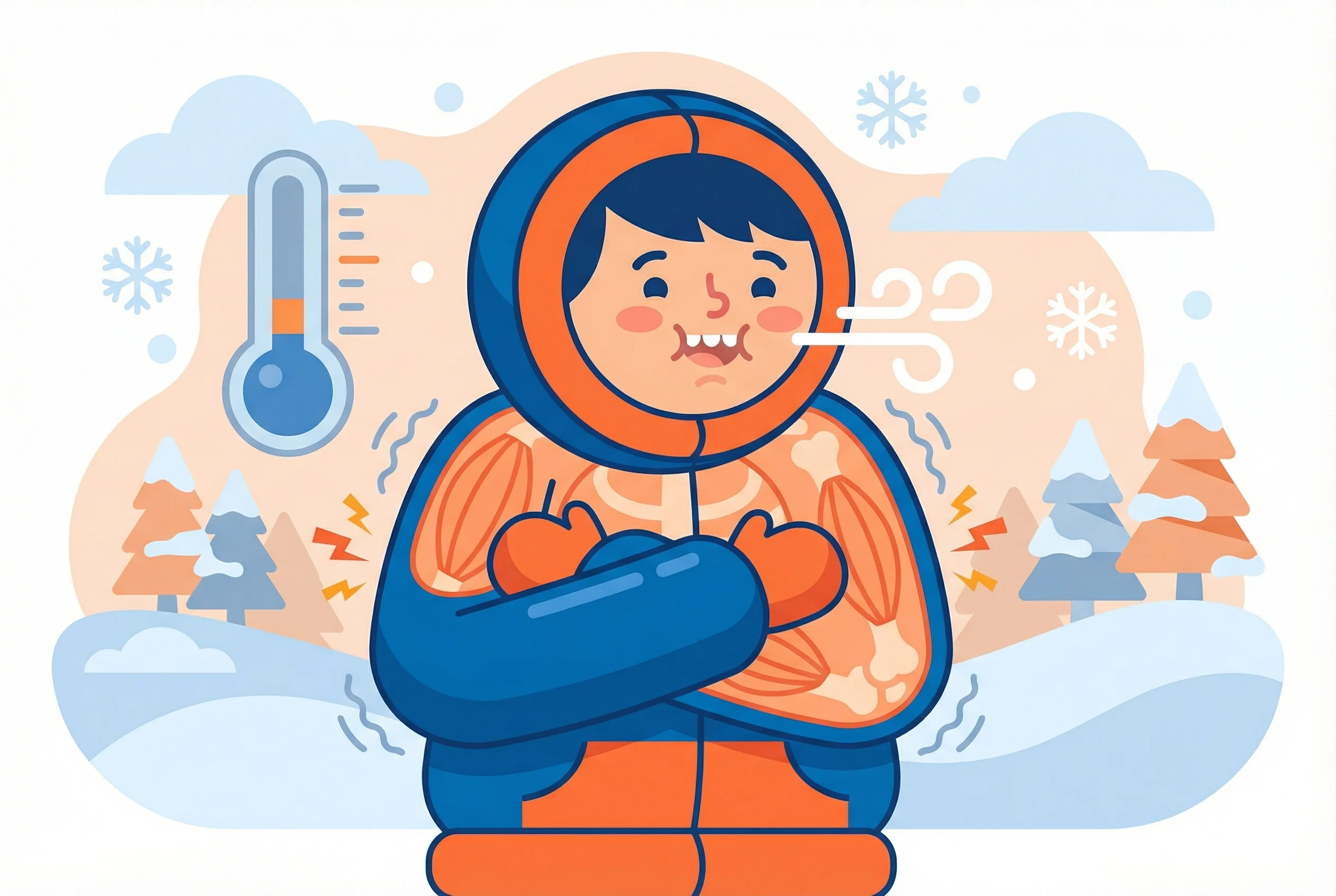
AMuscles contract to generate heat
✓Correct — shivering is a controlled burst of rapid muscle contractions. The work burns energy and releases heat.
BNerves are misfiring from cold
✗Not quite — shivering is not a malfunction. The hypothalamus deliberately triggers it when body temperature drops.
CMuscles tense to conserve heat
✗Not quite — simple tension does not make much heat. Repeated contractions actively generate warmth.
Answer this question
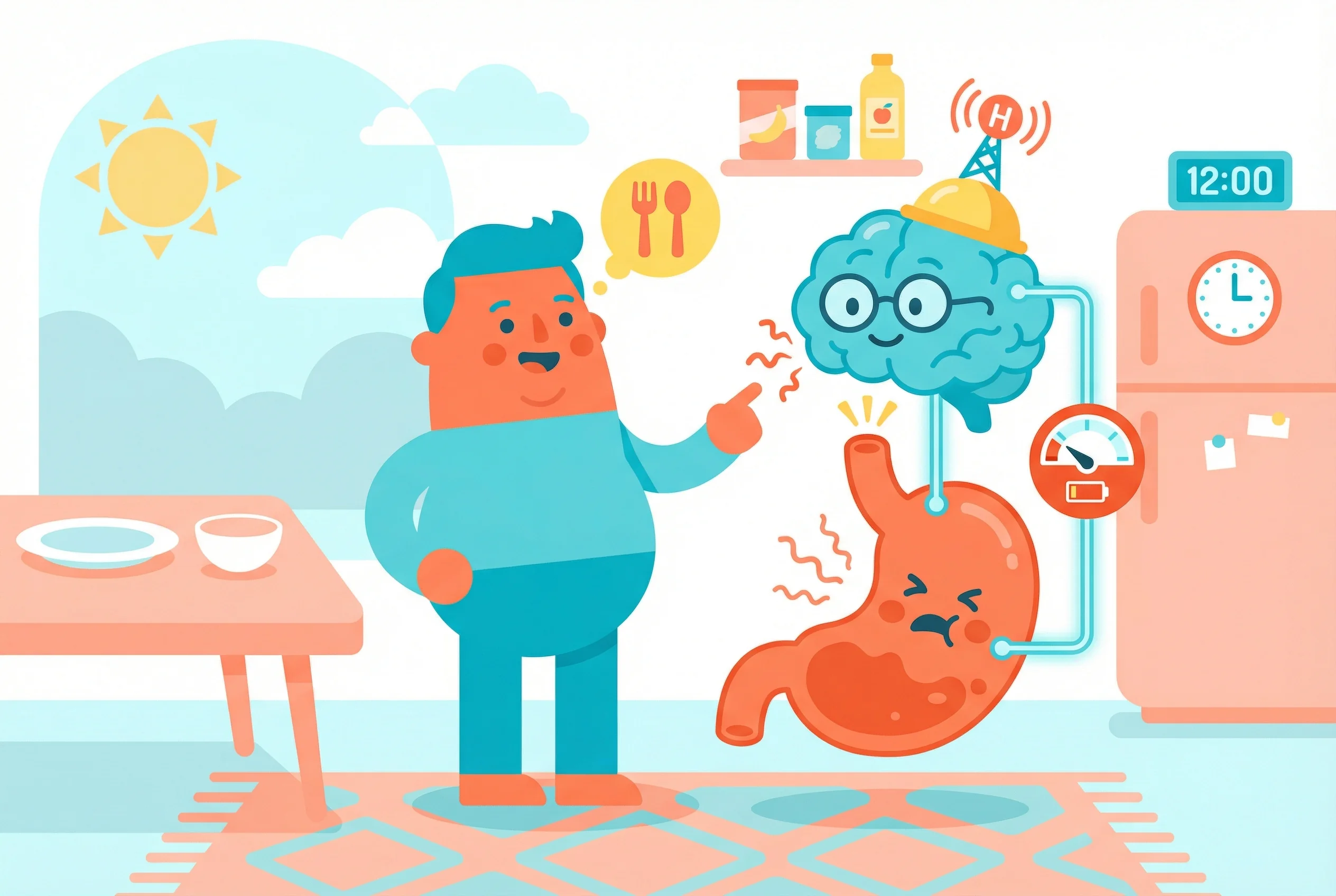
ABlood sugar drops trigger brain
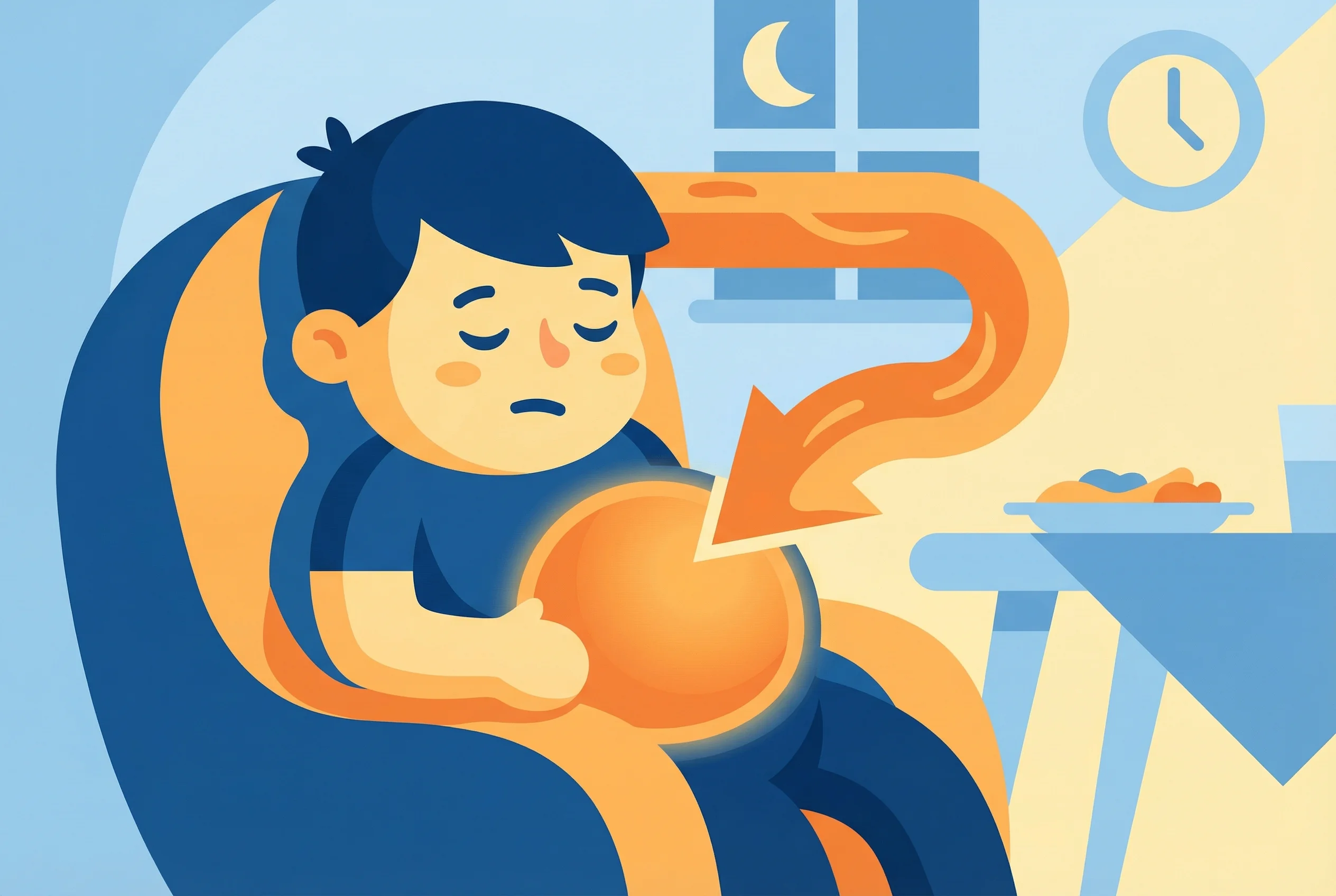
✓Correct — hunger is coordinated by the brain, with signals such as changing blood sugar and appetite hormones helping tell you energy is running low.
BDigestive system needs work
✗Not quite — your digestive system does not ask for busywork. Hunger is mostly a brain-and-hormone signal about energy needs.
CBody temperature decreases
✗Not quite — temperature can affect metabolism, but hunger is mainly tied to energy and appetite signals, not getting colder.
Answer this question
ATo identify family members
✗Not quite — the answer is B. Antigens on red blood cells vary.
BAntigens on red blood cells vary
✓Correct — ABO blood types reflect different antigens on red blood cells. Your immune system can react to antigens it does not recognize, which is why transfusion matching matters. The Rh system is separate from ABO.
CDifferent oxygen capacities
✗Not quite — the answer is B. Antigens on red blood cells vary.
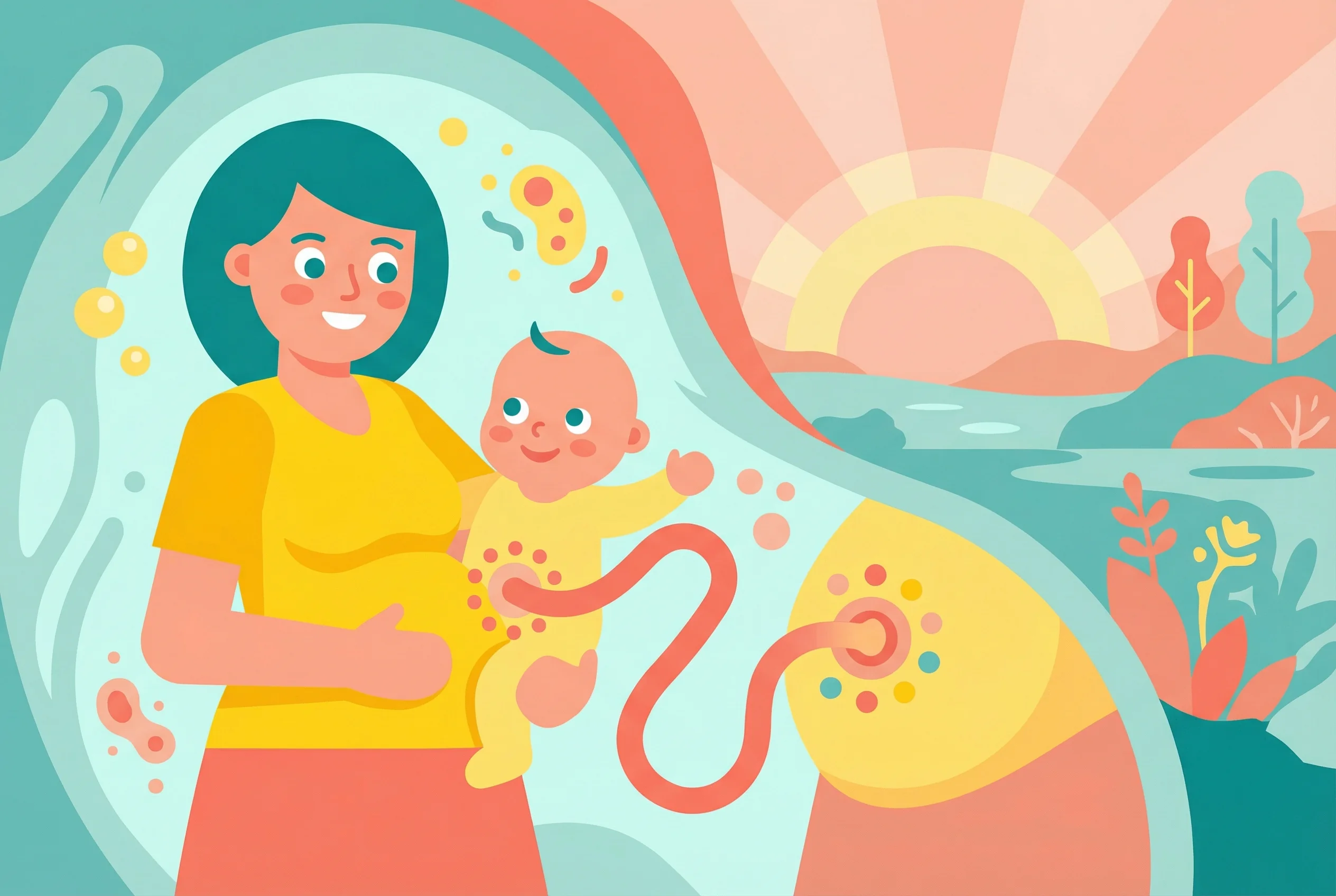
AScar from umbilical cord
✓Correct — Your navel is the scar left where the umbilical cord connected you to the placenta before birth. After the cord is cut, the short remnant dries and falls away.
BOpening for digestive system
✗Not quite — the answer is A. Scar from umbilical cord.
CVestigial evolutionary feature
✗Not quite — the answer is A. Scar from umbilical cord.
Weird Facts About the Human Body
AHormones and brain chemicals shift
✓Correct — after a meal, insulin and other signals can shift brain chemistry and alertness. Large carb-heavy meals make the drowsy effect easier to notice.
BBody temperature rises
✗Not quite — digestion can affect body state, but post-meal sleepiness is more about hormonal and neural shifts.
CToo much oxygen used
✗Not quite — your body is not using up oxygen in a way that makes you sleepy. The signal is biochemical, not oxygen depletion.
Answer this question
ABrain signals stimulate tear glands
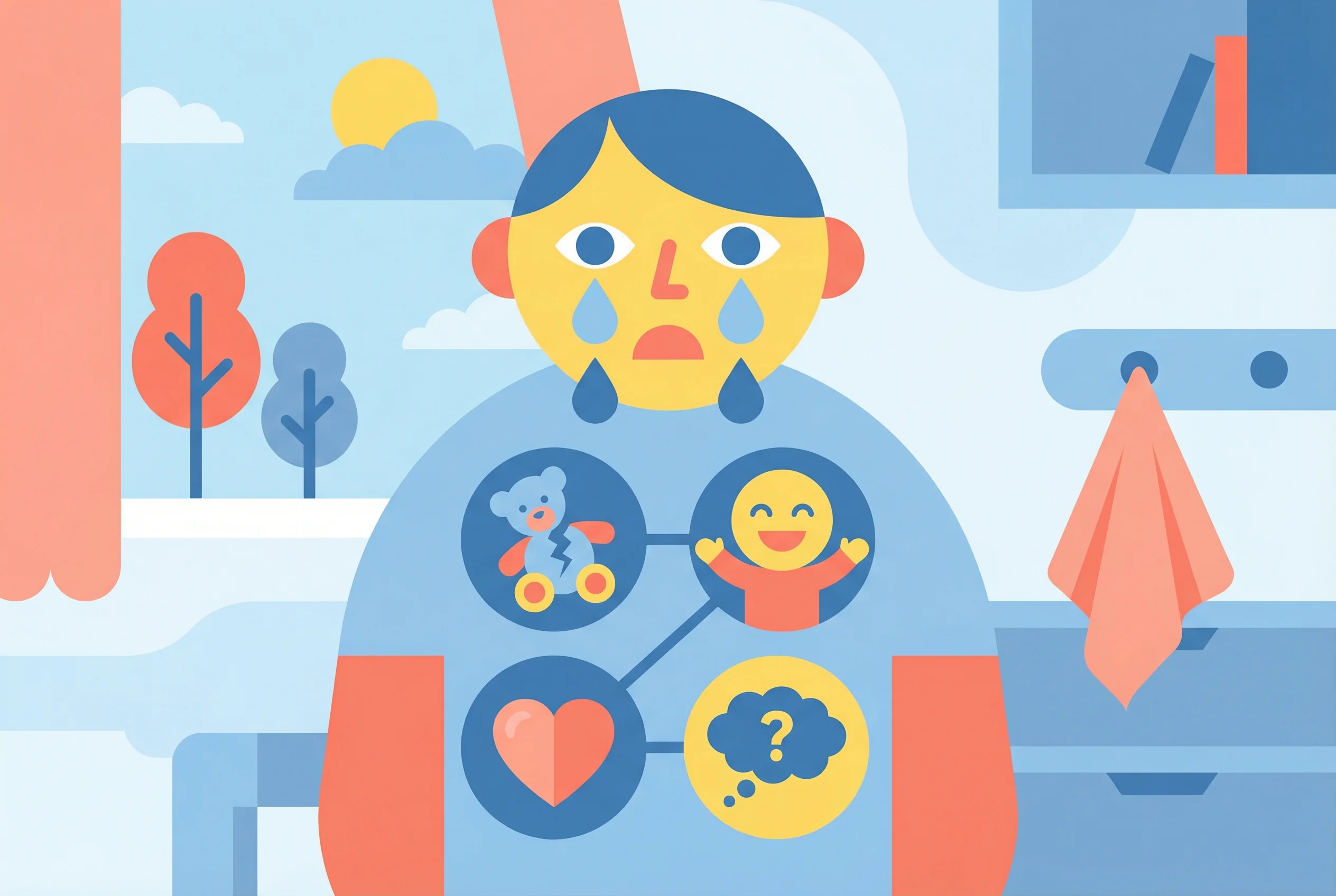
✓Correct — emotion-processing regions can send signals through the brainstem and parasympathetic nerves to the lacrimal glands.
BEyes need cleaning when upset
✗Not quite — reflex tears clean and protect the eyes. Emotional tears are triggered by neural signals tied to feeling.
CBody temperature rises too high
✗Not quite — emotional crying is not a cooling system. It follows a brain-to-tear-gland pathway.
Answer this question
AExcess carbon dioxide buildup
✗Not quite — the answer is C. Still unclear, possibly cooling.
BBrain temperature needs cooling
✗Not quite — the answer is C. Still unclear, possibly cooling.
CStill unclear, possibly cooling
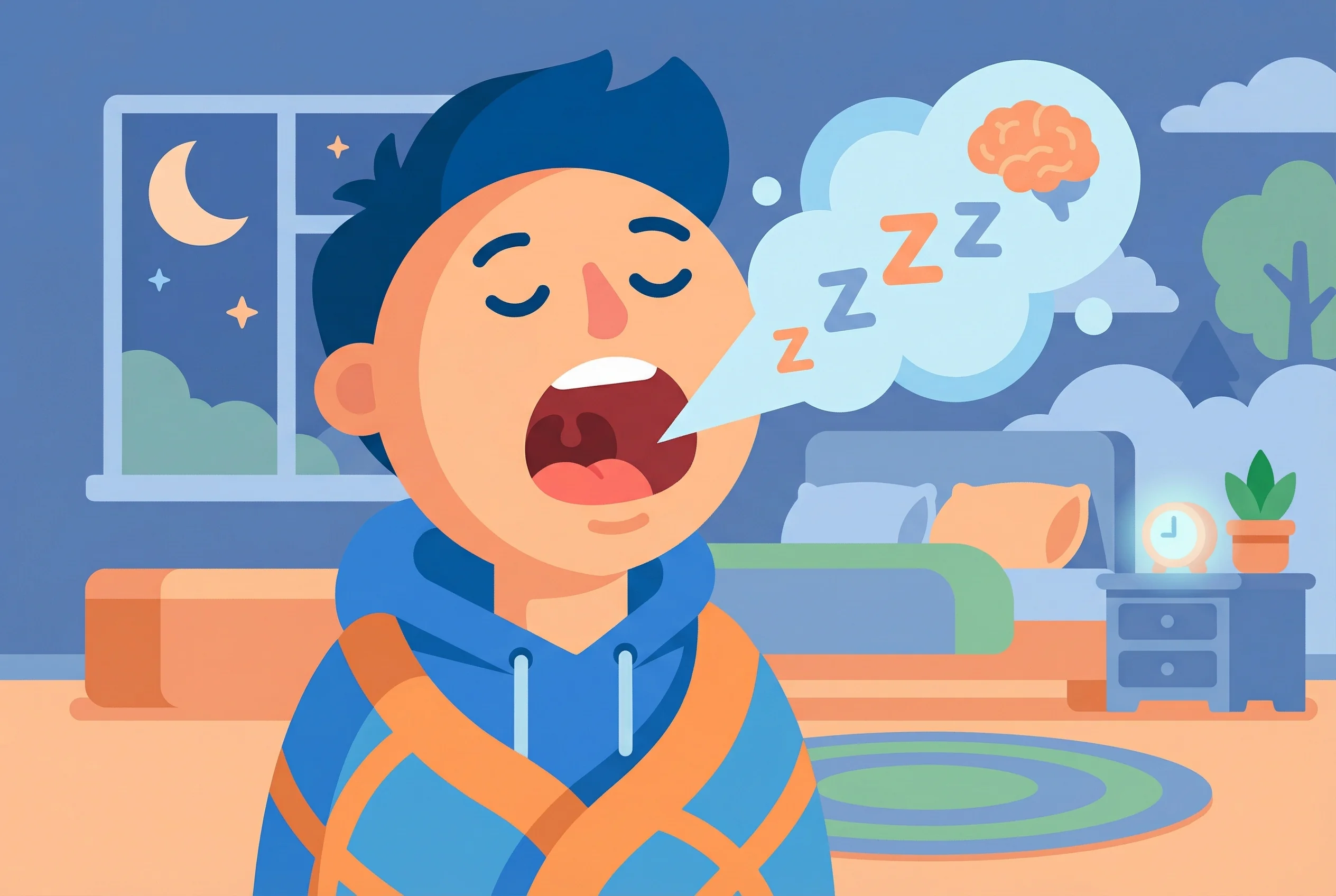
✓Correct — Scientists still do not agree on one function for yawning. Brain cooling, shifts in alertness, and social signaling are active hypotheses; low oxygen is not the settled explanation.
AReflex from furry ancestors
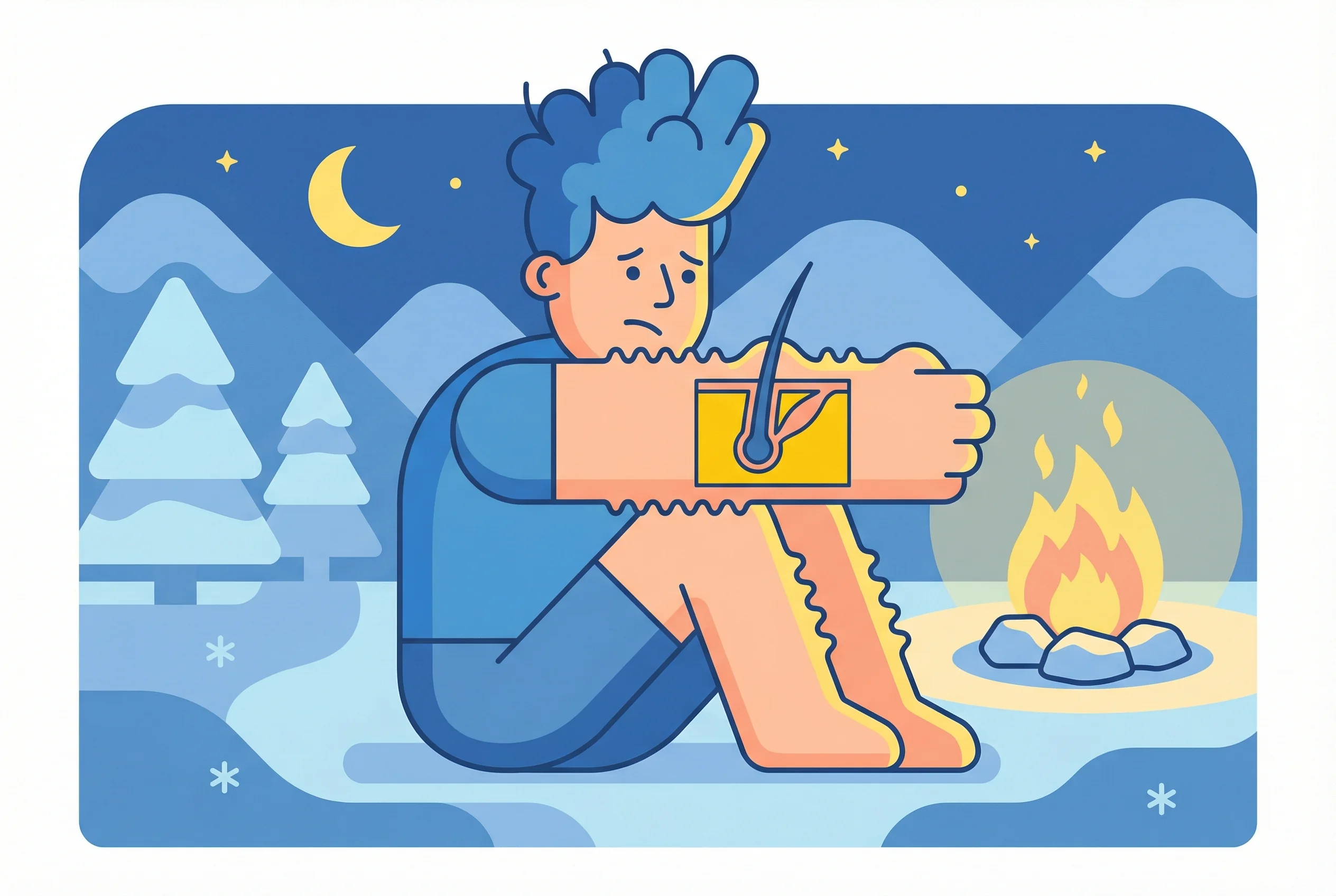
✓Correct — Tiny arrector pili muscles pull hairs upright when cold or strong emotion activates the sympathetic nervous system. In a furrier animal that can trap air or enlarge its outline; on human skin it mostly leaves bumps.
BBlood vessels contracting
✗Not quite — the answer is A. Reflex from furry ancestors.
CSkin cells multiplying
✗Not quite — the answer is A. Reflex from furry ancestors.
ACompressed nerves send confused signals as they recover from pressure
✓Correct — Pressure on a nerve can disrupt its normal signaling. When the pressure changes, recovering nerve fibers fire irregularly for a while, and the brain reads the activity as tingling or prickling.
BBlood cells rushing back in poke the nerve endings like tiny needles
✗Not quite — the answer is A. Compressed nerves send confused signals as they recover from pressure.
CLack of oxygen causes nerve cells to release pain chemicals
✗Not quite — the answer is A. Compressed nerves send confused signals as they recover from pressure.
Amazing Facts About Human Body
ASkin cells multiply faster
✗Not quite — skin renewal usually slows with age. Wrinkles come from losing structure, not from cells multiplying too fast.
BCollagen and elastin break down
✓Correct — collagen gives skin firmness and elastin helps it spring back. As those proteins decline and break down, creases become more permanent.
CBlood vessels expand
✗Not quite — blood vessel changes can affect color and circulation, but wrinkle structure is mostly about collagen, elastin, and thinner skin.
Answer this question
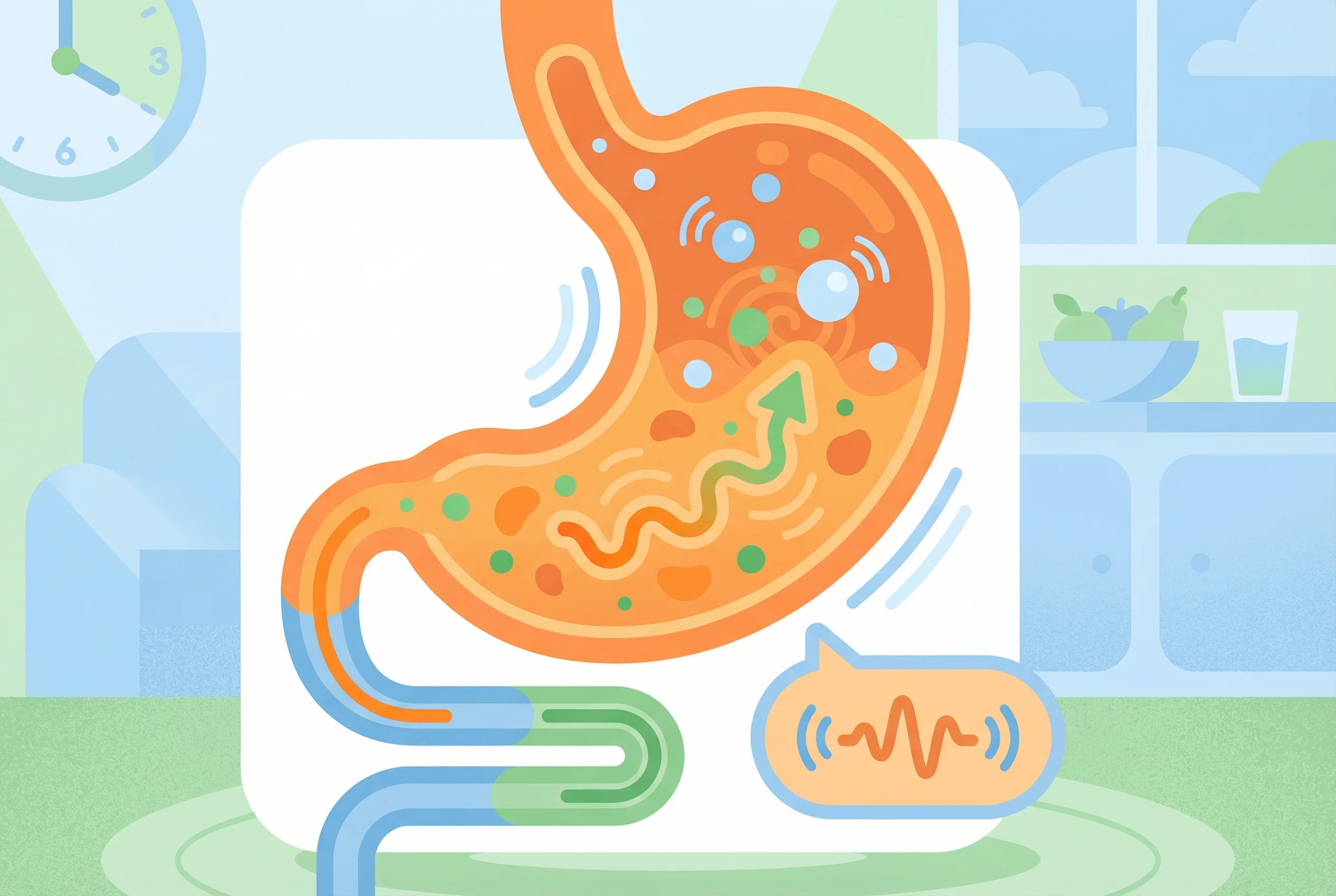
ADigestive muscles contracting
✓Correct — waves of digestive muscle movement push air and fluid through the gut, making borborygmi, the official name for those rumbles.
BFood is fermenting inside
✗Not quite — gut bacteria can produce gas, but the classic growl comes from muscle contractions moving air and fluid.
CStomach acid bubbling
✗Not quite — stomach acid is not bubbling like soda. The sound is motion through the digestive tract.
Answer this question
ALack of vitamins in diet
✗Not quite — the answer is B. Pigment cells stop working.
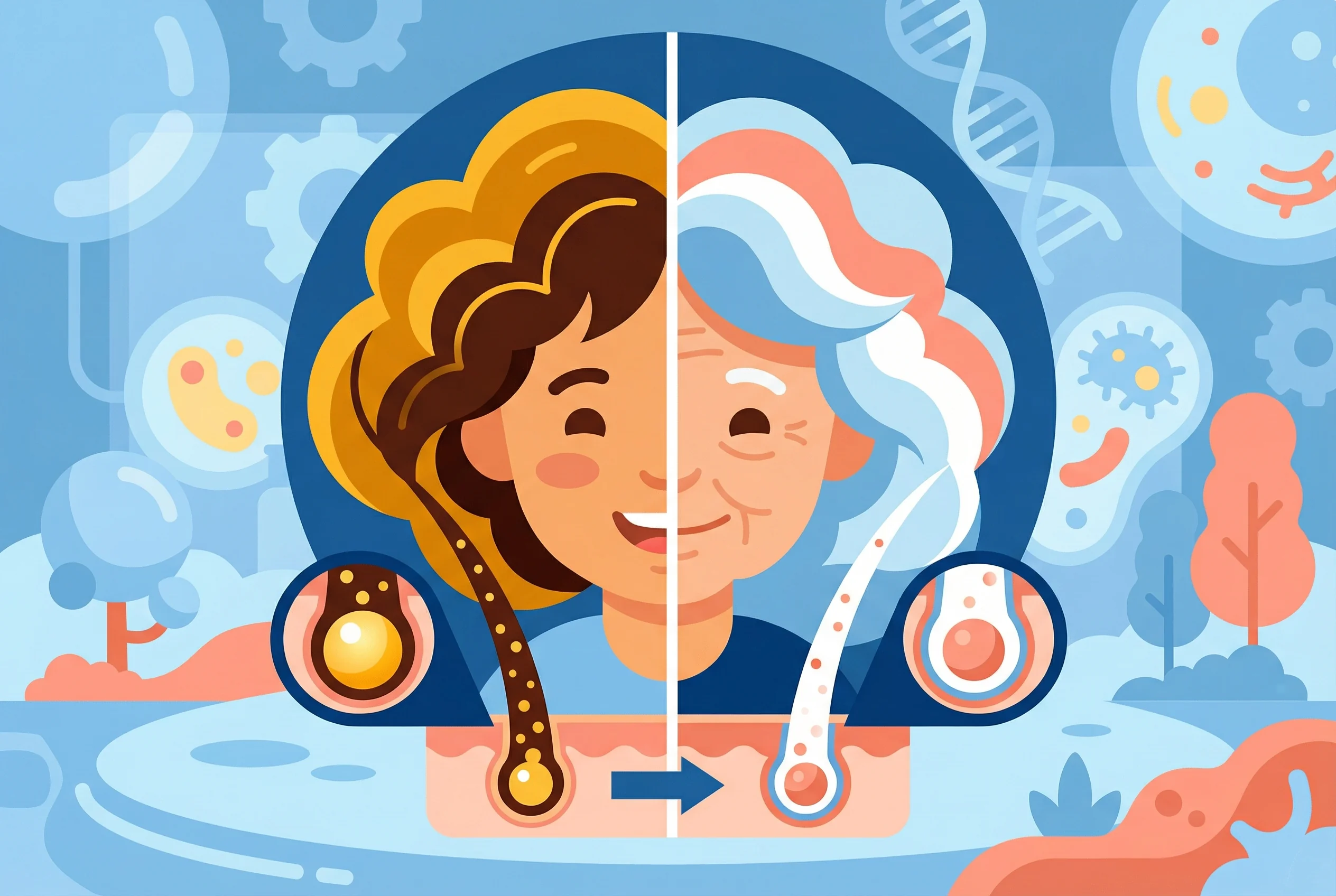
BPigment cells stop working
✓Correct — Hair color comes from melanin made in the follicle. With age, pigment-making cells become less active or disappear, so new strands grow with less pigment and look gray or white.
CStress causes color loss
✗Not quite — the answer is B. Pigment cells stop working.
ABackup teeth in case of loss
✗Not quite — the answer is B. Evolutionary leftover from diet.
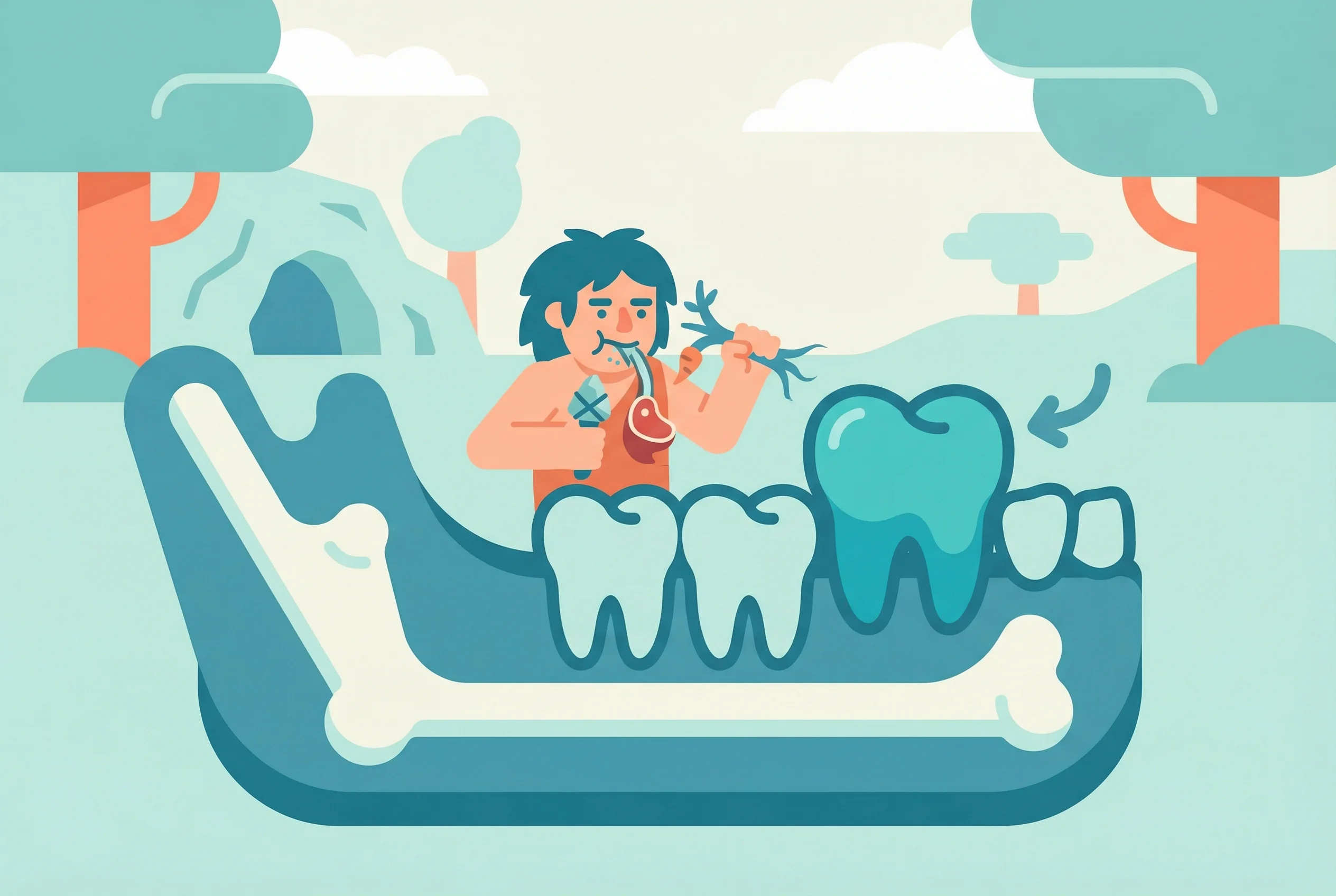
BEvolutionary leftover from diet
✓Correct — Wisdom teeth are third molars. They once added chewing surface, but many modern jaws do not leave enough room for them to erupt cleanly, so impaction and removal are common.
CMark of reaching adulthood
✗Not quite — the answer is B. Evolutionary leftover from diet.
AThey have a genetic variant making them sensitive to bitter compounds
✓Correct — Variants in bitter-taste receptor genes, including TAS2R38, change how strongly some people detect certain bitter compounds. Brussels sprouts also contain bitter glucosinolates, so the same bite can register very differently from person to person.
BTheir taste buds are damaged from eating too much spicy food
✗Not quite — the answer is A. They have a genetic variant making them sensitive to bitter compounds.
CThey have higher stomach acid that creates a bitter aftertaste
✗Not quite — the answer is A. They have a genetic variant making them sensitive to bitter compounds.
Scientific Facts About Human Body
AImprove grip and touch sensitivity
✓Correct — ridges help manage moisture and friction while also amplifying tiny texture vibrations for touch receptors.
BTo regulate temperature
✗Not quite — fingers do help with heat exchange, but fingerprints are not a thermostat. Their main jobs are grip and fine touch.
CTo protect finger bones
✗Not quite — the ridges sit in skin. They do not shield bones; they help fingers feel and hold the world.
Answer this question
AOur brain has an internal clock synchronized with Earth's rotation
✓Correct — A master circadian clock in the brain's suprachiasmatic nucleus coordinates daily rhythms. Light detected by the eyes resets that clock, helping align sleepiness and alertness with the day-night cycle.
BOur body temperature naturally drops when the sun sets
✗Not quite — the answer is A. Our brain has an internal clock synchronized with Earth's rotation.
CWe inherit sleep schedules from our parents through learning
✗Not quite — the answer is A. Our brain has an internal clock synchronized with Earth's rotation.
AScratching triggers pain signals that block itch temporarily, but damages cells that release more itch chemicals
✓Correct — Scratching adds mild pain signals that can briefly suppress an itch. Repeated scratching also irritates and injures skin, which can intensify inflammation and restart the itch-scratch cycle.
BScratching removes the itch-causing bacteria, but spreads them to nearby skin areas
✗Not quite — the answer is A. Scratching triggers pain signals that block itch temporarily, but damages cells that release more itch chemicals.
CScratching increases blood flow that soothes nerves, but the extra warmth attracts more irritants
✗Not quite — the answer is A. Scratching triggers pain signals that block itch temporarily, but damages cells that release more itch chemicals.
ASpicy chemicals trigger the same heat-sensing nerves that detect temperature
✓Correct — Capsaicin activates TRPV1 receptors, the same sensory channels that respond to damaging heat. The tissue is not literally burning, but the nervous system receives a heat-like warning signal.
BSpicy food actually raises the temperature inside your mouth by several degrees
✗Not quite — the answer is A. Spicy chemicals trigger the same heat-sensing nerves that detect temperature.
CYour taste buds swell up from irritation and create friction heat
✗Not quite — the answer is A. Spicy chemicals trigger the same heat-sensing nerves that detect temperature.
ATired motor neurons send random electrical signals
✓Correct — A visible twitch, or fasciculation, happens when a motor unit fires without a deliberate command. Fatigue, stress, and stimulants can make benign twitches more noticeable, but there is no single cause for every case.
BMuscles are trying to grow stronger automatically
✗Not quite — the answer is A. Tired motor neurons send random electrical signals.
CBlood is flowing too quickly through the muscle
✗Not quite — the answer is A. Tired motor neurons send random electrical signals.
Random Facts About the Human Body
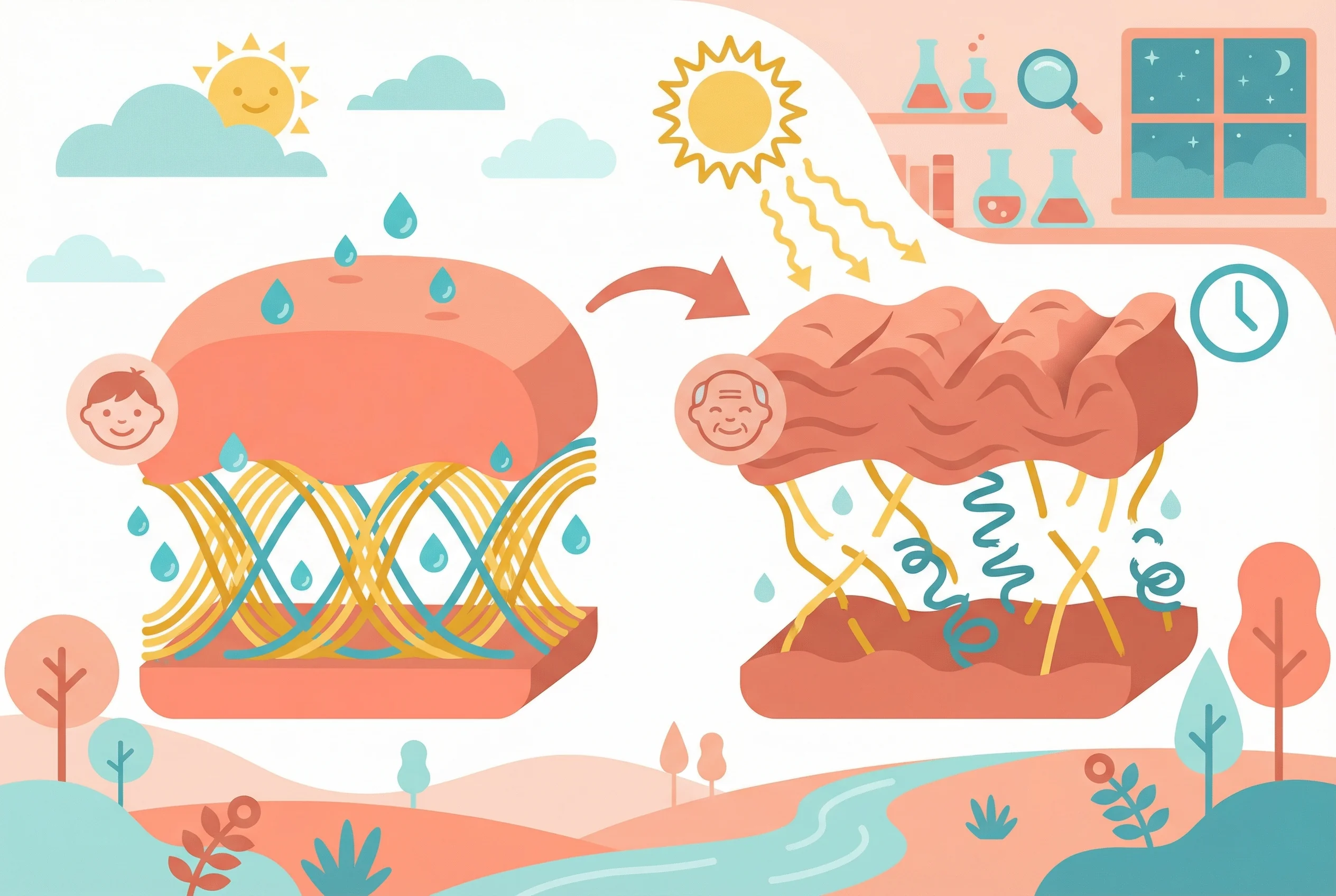
AMany baby bones fuse together as they grow into adulthood
✓Correct — The familiar counts are approximate because anatomists count developing structures differently. Babies have many separate bony pieces and cartilage-rich regions; as growth continues, a number of them fuse into the usual adult total of 206 bones.
BExtra bones dissolve away as babies learn to walk
✗Not quite — the answer is A. Many baby bones fuse together as they grow into adulthood.
CBabies lose bones through their soft spot on the head
✗Not quite — the answer is A. Many baby bones fuse together as they grow into adulthood.
ASalamanders have special stem cells that can rebuild any body part
✓Correct — After injury, salamanders form a blastema containing progenitor-like cells that rebuild bone, muscle, nerves, and skin in the right pattern. Humans regenerate some tissues, but a complex limb wound usually closes with scar tissue instead.
BSalamanders have simpler bodies with fewer organs to coordinate
✗Not quite — the answer is A. Salamanders have special stem cells that can rebuild any body part.
CSalamanders live in water which provides healing minerals
✗Not quite — the answer is A. Salamanders have special stem cells that can rebuild any body part.
AHumans have rigid spines and prominent collarbones that limit rotation
✓Correct — Cats combine a flexible spine, a highly tuned balance system, and a fast righting reflex to rotate their front and rear halves in sequence. Human anatomy cannot reproduce that maneuver nearly as effectively.
BHumans are too heavy to rotate quickly enough in mid-air
✗Not quite — the answer is A. Humans have rigid spines and prominent collarbones that limit rotation.
CHumans lack the inner ear balance organs that cats possess
✗Not quite — the answer is A. Humans have rigid spines and prominent collarbones that limit rotation.
Want to play these for real?
Turn human body trivia into a 10-second curiosity loop: predict, get feedback, and leave with one mechanism you can actually remember.
Play live on AIgneous Million Whys →Frequently Asked Questions
What kinds of questions are in this human body trivia set?
The set moves from visible reactions such as goosebumps and gray hair to hidden systems such as blood antigens, circadian timing, nerve signals, digestion, and tissue regeneration.
Why do babies have more bones than adults?
The headline numbers are approximate, but the mechanism is real: many structures begin as separate bony pieces or cartilage-rich regions and fuse as a child grows.
Why can spicy food feel hot when its temperature is not?
Capsaicin activates TRPV1 heat-sensing channels. Your brain receives a warning signal similar to damaging heat even though the food has not raised your mouth to that temperature.
Is the purpose of yawning fully understood?
No. Cooling, alertness changes, and social signaling all have evidence behind them, but researchers have not settled on one complete explanation. The honest closure here includes the uncertainty.
What does this have to do with AIgneous Million Whys?
Million Whys turns a familiar body moment into a small information gap you can actually close. One clear answer leaves a useful piece behind—and usually reveals the next question worth asking.