

Why Does Avatar’s Mix of Chinese and Other Cultures Feel So Natural?
TL;DR
Avatar feels culturally natural because it does not just borrow cool-looking symbols. It builds each nation from a deeper combination of movement, architecture, clothing, geography, and social logic. Chinese culture provides much of the world's core visual and physical grammar, while other influences — including Arctic and Tibetan Buddhist ones — are woven into specific environments and ways of life rather than pasted on as decoration.
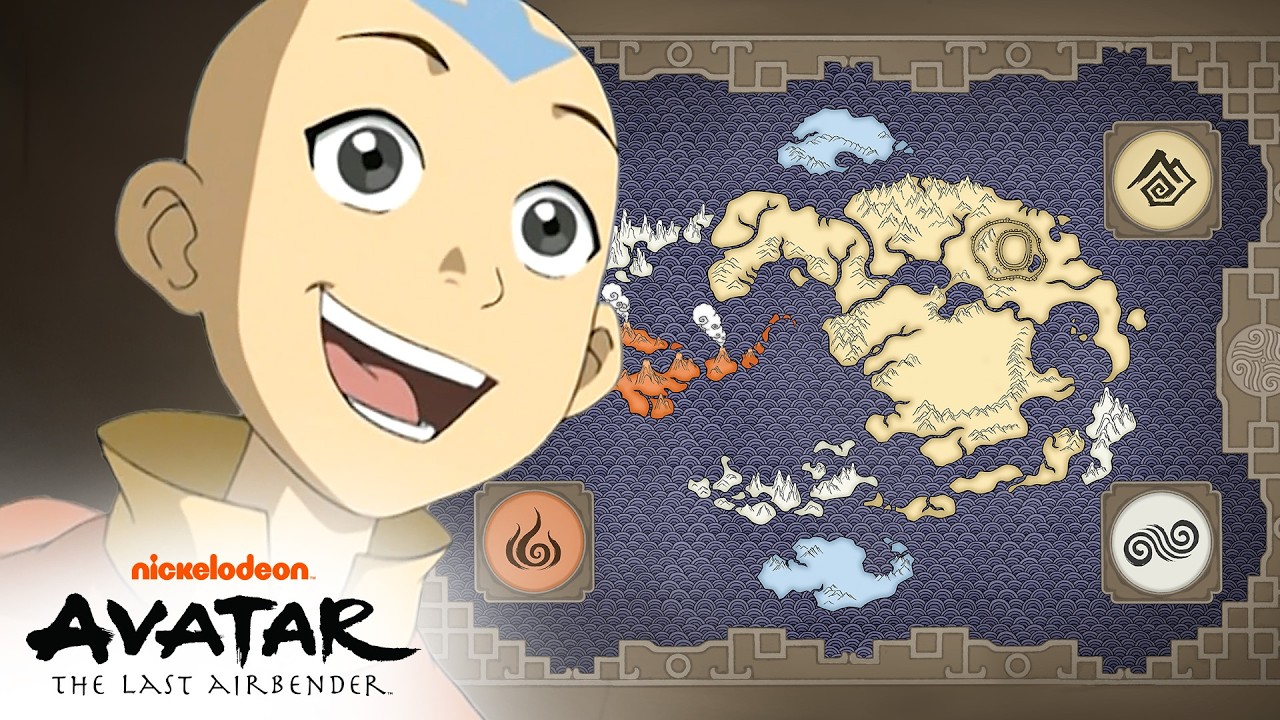
Many fantasy worlds mix cultures. Fewer make that mix feel inevitable.
Avatar: The Last Airbender is one of the rare ones that does. Even people who cannot name every influence still feel that the world hangs together. The four nations do not look like costumes pulled from a reference folder. They feel like societies that grew out of their own climates, architectures, disciplines, and beliefs.
That is the real achievement. Avatar is not just culturally influenced. It is culturally composed.
Curious? Try one 👇
Why is the sky blue?
Jump into the daily quiz →Avatar does not borrow random aesthetics. It borrows systems.
A weaker show might decide that one nation gets “ice vibes,” another gets “imperial vibes,” and a third gets “monk vibes,” then stop there. Avatar goes much deeper. It links together how people move, how they build, what landscapes they live in, what kinds of clothing make sense there, and what kind of political or spiritual life grows out of those conditions.
That is why the world feels coherent instead of scrapbooked. The influences are not just visual references. They are working parts.

Chinese culture is the main structural backbone
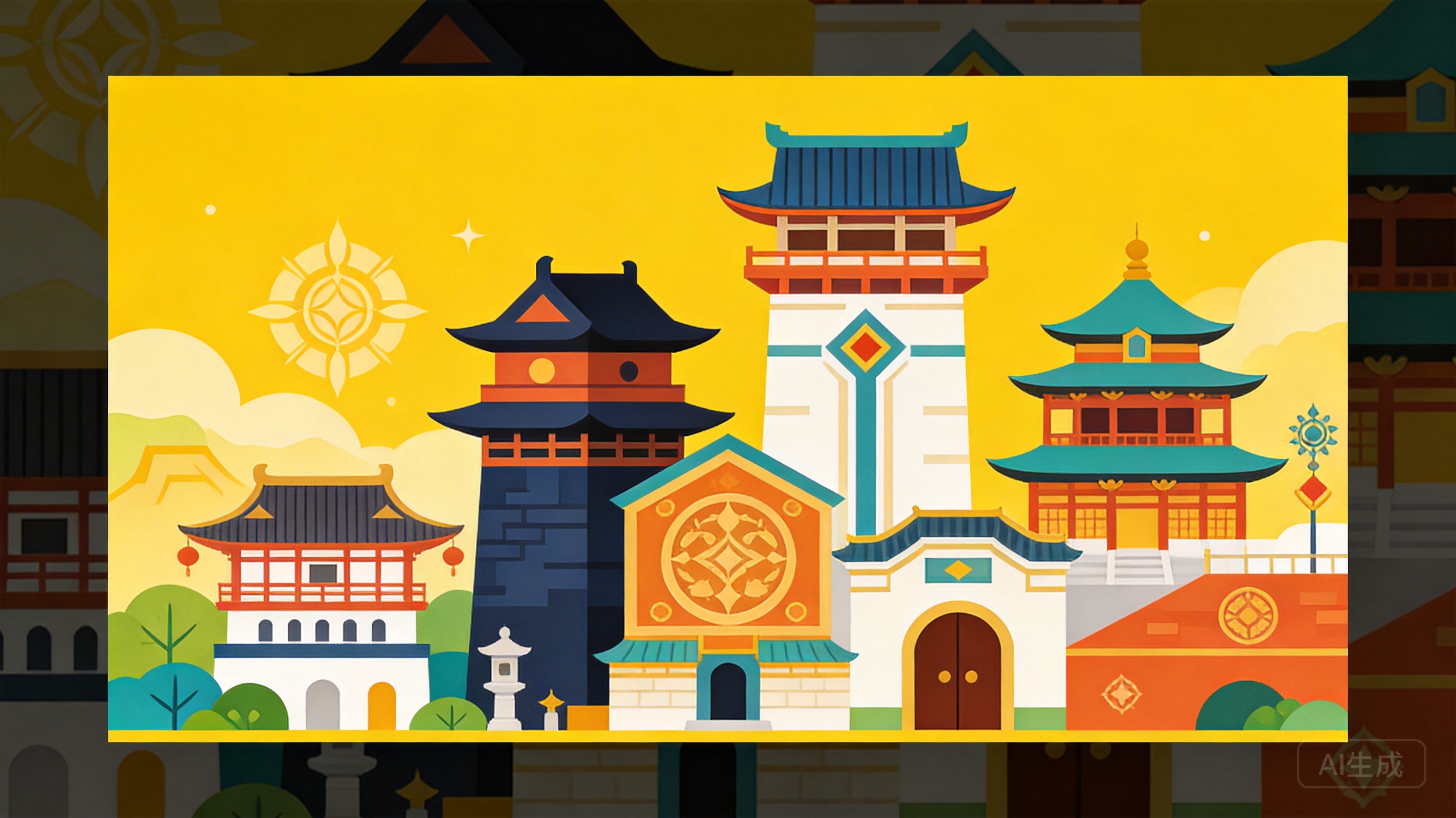
The show's overall world is widely recognized as drawing heavily on Chinese imagery and cultural grammar. That is visible in architecture, urban layout, costume silhouettes, calligraphic feeling, and especially in the way power moves through the body.
This matters because Chinese culture is not treated as a small garnish. It helps give the entire world a shared civilizational weight. Even when the four nations diverge, they still feel like they belong to the same planet because the show has a strong unifying base layer.
That base layer is one of the reasons the world feels stable enough to support more specific local influences.
The deepest influence is in motion, not decoration
One of Avatar's smartest decisions was to make bending look less like generic magic and more like disciplined movement. The show brought in martial arts consultation, and each element was built around a distinct Chinese martial-arts logic:
- Waterbending draws on Tai Chi, with emphasis on flow, alignment, breath, and redirection.
- Earthbending draws on Hung Gar, with rooted stances and heavy, stable force.
- Firebending draws on Northern Shaolin, with direct, forceful extension.
- Airbending draws on Baguazhang, with circular movement, evasion, and constant directional change.
This is one reason the bending system feels believable: the elements are not just color-coded powers. They are embodied philosophies.


Tai Chi is a useful reference point for why waterbending feels fluid rather than merely decorative. The body is organized around continuity, breath, and redirection — exactly the qualities the show wants viewers to feel in Water Tribe movement.

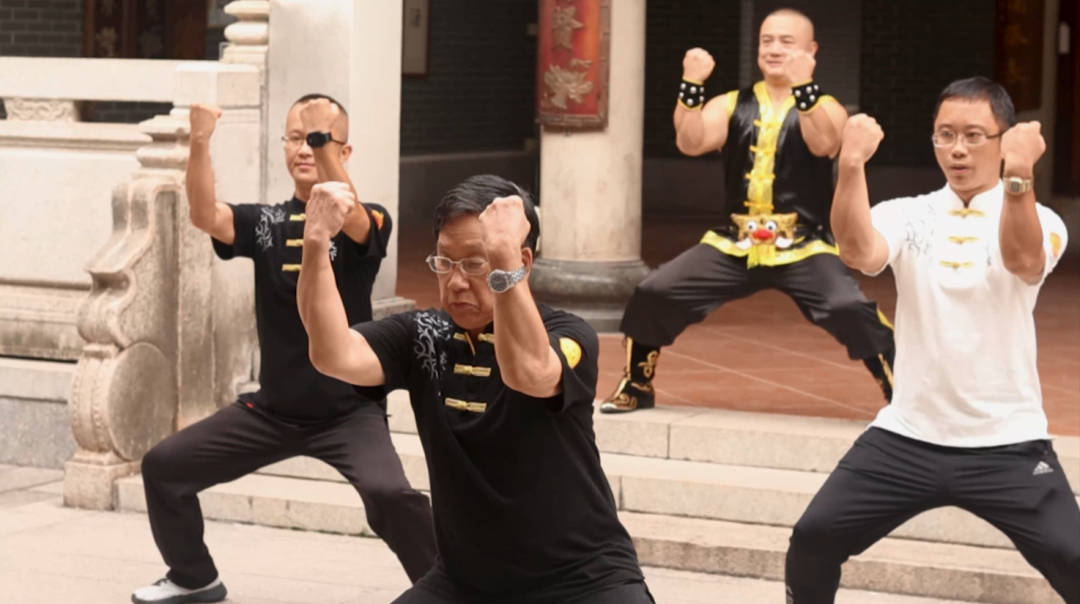
Earth feels different because it moves differently. Even before viewers know the martial-arts reference, they can feel the rootedness.
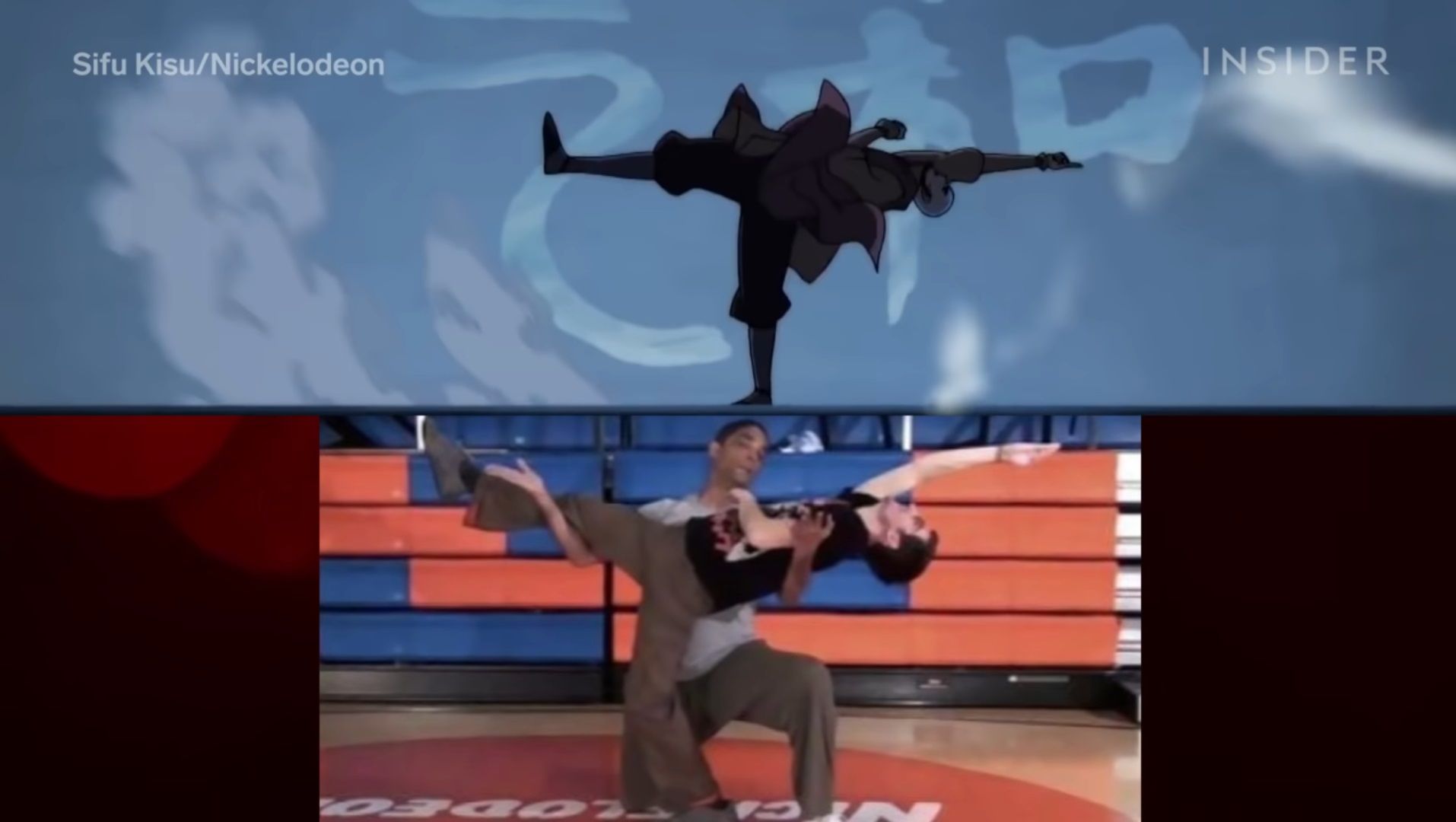

Baguazhang helps explain why airbending feels so different from the other elements. It circles, changes angle, and avoids direct collision. The spiritual culture and the movement culture reinforce each other.
Water Tribe works because Arctic life is built into it
The Water Tribes do not feel convincing just because they wear blue and live near snow. They feel convincing because the worldbuilding folds in Arctic cultural logic: cold-climate clothing, marine dependence, community structure, and the practical intimacy of life built around ice and water.
Public descriptions of the show's influences often point to Inuit and Sireniki cultural inspiration here. That matters because the Water Tribe feels shaped by cold-ocean survival, not by abstract elemental branding.
Then the bending layer strengthens that logic. Waterbending's Tai Chi influence turns survival and movement into the same design language: adaptive, yielding, and responsive.
Air Nomads feel spiritual because they are built from monastery, altitude, and motion
The Air Nomads are not just generic monk imagery. They are built from a combination of high-mountain monastic aesthetics, Tibetan Buddhist visual and spiritual cues, separation from ordinary political life, and a movement system that fits their worldview.
Cliffside temples, sparse possessions, elevated spaces, ritual calm, and mobility all work together. Their homes feel less like cities and more like spiritual infrastructure. Their culture feels less territorial than the others, which matches both their architecture and Aang's physical style.
Fire Nation is not just aggressive — it is imperial
The Fire Nation lands because the show gives it more than heat and militarism. It has ceremony, infrastructure, hierarchy, and a sense of historical self-importance. It feels imperial.
Public accounts of the show's design history suggest that early Fire Nation concepts leaned more Japanese, but the creators later broadened and shifted the final design language. By the end, Fire Nation clothing and architecture read more strongly through a Chinese-inflected monumental style. One often-cited example is the Fire Temple's resemblance to the Yellow Crane Tower.
So the point of the comparison is not “look, there is a tower.” It is that both the Fire Nation and the Yellow Crane Tower lean on the same kind of layered, rising, ceremonial silhouette — the kind of architecture that signals hierarchy and state power before anyone even speaks.


This comparison matters here, not at the top of the article: the Fire Nation does not feel powerful just because it is red, black, and full of soldiers. It feels powerful because its architecture projects control, ceremony, and vertical authority.
Why it does not feel like a cultural mashup
The best answer is simple: Avatar does not assign each nation a mood board. It gives each nation a way of life.
That means the influences do not stay trapped at the level of costume and ornament. They get distributed across geography, fighting style, architecture, clothing, social organization, and spiritual temperament.
That is why the blend feels natural. Chinese influence gives the world a strong central grammar, but the other influences are not treated like stickers. They are absorbed into how each nation actually functions.
In weaker fantasy, influence stays visible as reference. In Avatar, influence disappears into world logic.
What Avatar understood unusually well
Avatar understood that culture is not just what a society looks like. Culture is how a society moves, builds, fights, worships, survives, and imagines order.
That is why so many viewers remember the world as feeling real, even if they cannot list its influences on command. They are not responding only to recognition. They are responding to coherence.
Avatar's world feels natural because its cultural borrowing is structural, not decorative.
FAQ
Is Avatar based mainly on Chinese culture?
Chinese culture is one of the strongest structural influences in the world, especially in movement, architecture, visual language, and overall civilizational feel. But the show also draws from Arctic, Tibetan Buddhist, Japanese, and broader Asian influences depending on the nation and context.
Why do the bending styles feel so believable?
Because they are built around distinct martial-arts logics rather than generic fantasy magic. Each element behaves like a trained body, not just a visual effect.
Are the four nations each based on one real-world country?
No. That is too simple. Each nation blends multiple influences, but it does so in a structured way. The result feels more like a civilization shaped by geography and discipline than a one-to-one national analogy.
Why doesn’t Avatar feel like a random cultural collage?
Because the references are connected to environment, social structure, architecture, and movement. The influences are embedded into how each nation works, not just how it looks.
What does this have to do with AIgneous Million Whys?
AIgneous Million Whys is built for questions exactly like this: things that seem, at first, like a matter of taste or style, but turn out to have deeper structural reasons underneath. Avatar's cultural richness is not just a vibe. It is a design system.
Curious? Try one 👇