

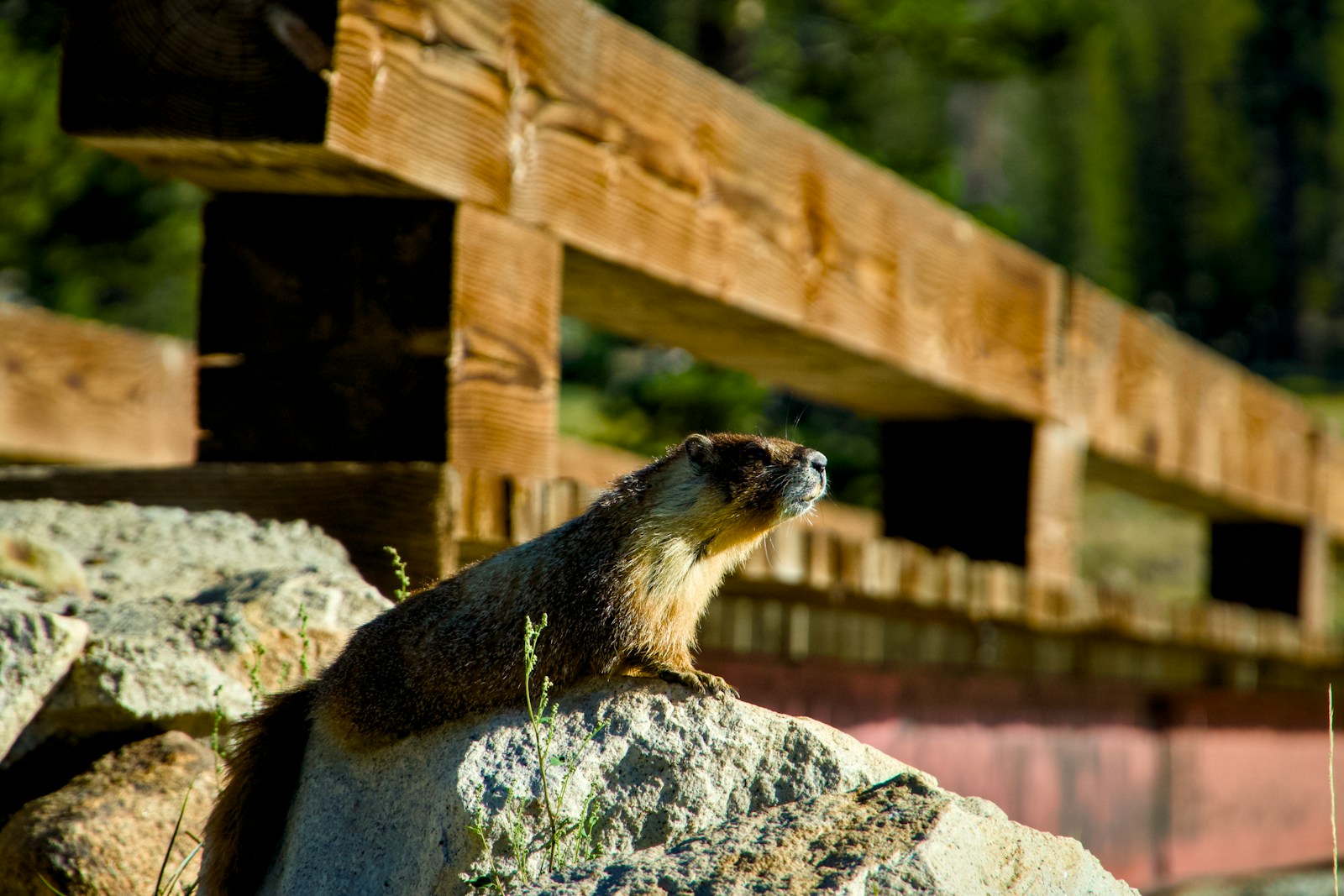
On This Day: Why Can't Groundhogs Actually Predict the Weather?
Why Can't Groundhogs Predict the Weather?
On This Day (February 2, 1887) — The first official Groundhog Day was celebrated at Gobbler's Knob in Punxsutawney, Pennsylvania. A groundhog named Punxsutawney Phil emerged from his burrow, and a strange American tradition was born.
The legend says: if the groundhog sees his shadow, we get six more weeks of winter. No shadow? Early spring!
But here's the thing... it's completely made up. And the science proves it.
The Cold Hard Facts
NOAA (the National Oceanic and Atmospheric Administration) has been tracking groundhog predictions for decades. Their verdict?
Punxsutawney Phil's accuracy rate: 39%
That's worse than flipping a coin.
A comprehensive study of groundhog predictions across North America found an overall accuracy rate of about 50% — pure statistical chance.
Curious? Try one 👇
Why is the sky blue?
Jump into the daily quiz →So Why Do We Do This?
The Ancient Roots
Groundhog Day didn't start with groundhogs. It traces back to the ancient Celtic festival of Imbolc, which marked the midpoint between the winter solstice and spring equinox.
In Europe, people watched badgers and bears emerging from hibernation as a sign of spring. German immigrants to Pennsylvania brought this tradition with them — but America didn't have badgers, so they substituted the abundant local groundhog.
The Shadow Logic (Kind Of)
There's a kernel of meteorological logic buried in the tradition:
This makes a tiny bit of sense: sunny, clear winter days are often associated with high-pressure systems that bring cold, stable weather. Cloudy days might signal incoming warm fronts.
But six weeks? That's stretching it.
The Real Science of Animal Weather Prediction
Groundhogs can't predict weather, but they do have remarkable internal clocks:
Circannual Rhythms
Groundhogs have biological clocks that track seasons, not just days. These circannual rhythms help them know when to hibernate and when to wake up — even in total darkness.
They Wake Up Early for Love, Not Weather
Male groundhogs actually wake up in early February not to predict weather, but to find mates. They visit female burrows, check who's around, then go back to sleep for a few more weeks before true spring.
Phil's February 2nd emergence has more to do with groundhog dating than meteorology.
Why We Still Love It
Despite the terrible accuracy, Groundhog Day persists because:
Fun Fact
Punxsutawney Phil is supposedly immortal — the same groundhog since 1887. His handlers claim he drinks a magical elixir of life each summer.
In reality, groundhogs live about 6 years. Phil is just a title passed to successive groundhogs.
---
Happy Groundhog Day! Whether Phil sees his shadow or not, spring will arrive when it arrives.
<div class="mw-keep-reading"><h2>Keep reading</h2><ul><li><a href="/blog/cool-fact-of-the-day">Cool Fact of the Day: Questions With Answers</a></li><li><a href="/blog/earth-day-2026-12-weird-whys-about-our-planet">Earth Day 2026: 12 Weird Whys About the Planet You Live On</a></li><li><a href="/blog/fun-fact-of-the-day">Fun Fact of the Day: Trivia Questions & Answers</a></li><li><a href="/blog/apps-to-learn-random-facts">Apps to Learn Random Facts: What Sticks</a></li><li><a href="/trivia-question-of-the-day">Trivia Question of the Day</a></li></ul></div>
Curious? Try one 👇
Why is the sky blue?
Jump into the daily quiz →Keep Exploring


Related Posts
Earth Day 2026: 12 Weird Whys About the Planet You Live On
From a 19.5-hour day stuck for 1.5 billion years to a mantle-wind black hole beneath Tibet, 12 mechanism-rich, verifiably true facts about Earth — each a 'small why' that changes how you see the planet. Earth Day 2026 edition.
Fun Fact of the Day: Trivia Questions & Answers
A new fun fact of the day, the fun way: surprising trivia about animals, space, the human body, food and weather — tap each card to reveal the answer and why.
Fun Facts About Weather: Everyday Sky Physics
Fun facts about weather, explained through why raindrops flatten, clouds float, thunder rolls, snow survives warm layers, fog forms, and rainbows circle.