

This Day in Why: Ham the Chimp - Why Do We Send Animals to Space?
This Day in Why: Ham the Space Chimp
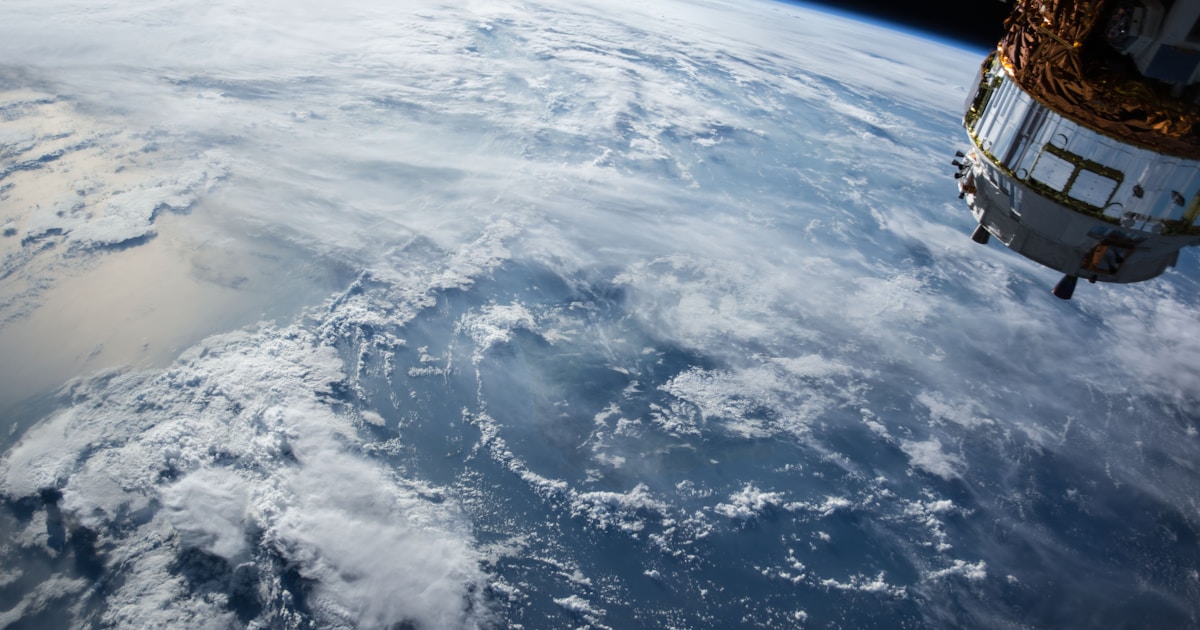
January 31, 1961 — A 37-pound chimpanzee named Ham rocketed into history, becoming the first primate to travel to space. His 16-minute flight reached an altitude of 157 miles and paved the way for Alan Shepard's historic flight just three months later.
But here's the question that sparks curiosity: Why did NASA send a chimp before a human?
The Science of Testing the Unknown
In 1961, we didn't know if humans could survive space. Scientists had serious concerns:
Curious? Try one 👇
Why is the sky blue?
Jump into the daily quiz →Why Chimps?
Chimpanzees share 98.8% of our DNA. They're the closest living relatives to humans, making them ideal test subjects for understanding how a human body might react. If Ham could:
...then humans probably could too.
What Ham Actually Did
Ham wasn't just a passenger — he had a job! He was trained to pull a lever within 5 seconds of seeing a flashing blue light. If he succeeded, he got a banana pellet. If he failed, he got a mild electric shock to his feet.
During his space flight, Ham performed his lever task with only slightly slower reaction times than on Earth. This proved that cognitive function remained intact in space — a crucial finding.
The Bittersweet Legacy
Ham survived and lived another 22 years at zoos. His successful mission gave NASA the confidence to send Alan Shepard to space on May 5, 1961.
Today, we've replaced animal testing with sophisticated computer simulations and robotic missions. But we owe our understanding of human spaceflight to brave pioneers like Ham.
Fun Fact
Ham's name is an acronym for Holloman Aerospace Medical Center, where he was trained. He wasn't named until after his flight — NASA was worried about bad press if a 'named' chimp died.
---
Want to test your space knowledge? Try our daily quiz and see how you rank among curious minds!
<div class="mw-keep-reading"><h2>Keep reading</h2><ul><li><a href="/blog/this-day-feb-01-columbia-disaster-foam-physics">This Day in Why: How Could Foam Destroy a Spacecraft?</a></li><li><a href="/blog/life-molecule-thiepine-interstellar-space-2026">Scientists Found a Building Block of Life Floating in Space - 27,000 Light-Years Away</a></li><li><a href="/blog/space-quiz-questions-and-answers">Space Quiz Questions and Answers, Explained</a></li><li><a href="/blog/space-trivia-questions-and-answers">Space Trivia Questions and Answers: Cosmic Questions With the Why</a></li><li><a href="/trivia-question-of-the-day">Trivia Question of the Day</a></li></ul></div>
Curious? Try one 👇
Why is the sky blue?
Jump into the daily quiz →Keep Exploring


Related Posts
Fun Fact of the Day: Trivia Questions & Answers
A new fun fact of the day, the fun way: surprising trivia about animals, space, the human body, food and weather — tap each card to reveal the answer and why.
The Everyday Science Questions Most Adults Get Wrong: What 55,918 Answers Show
We analysed 55,918 answers from 3,981 people to short why-questions. Most people missed 122 of them; the hardest were about mirrors, fevers, zebras and why astronauts float.
Daily Quiz Questions to Spark Curiosity
A daily quiz built from real why-questions: science, nature, space, and everyday facts with instant answers and tiny explanations.
Test Your Knowledge
Want to test what you learned about Space & Astronomy?
Take a quiz on this topic →