

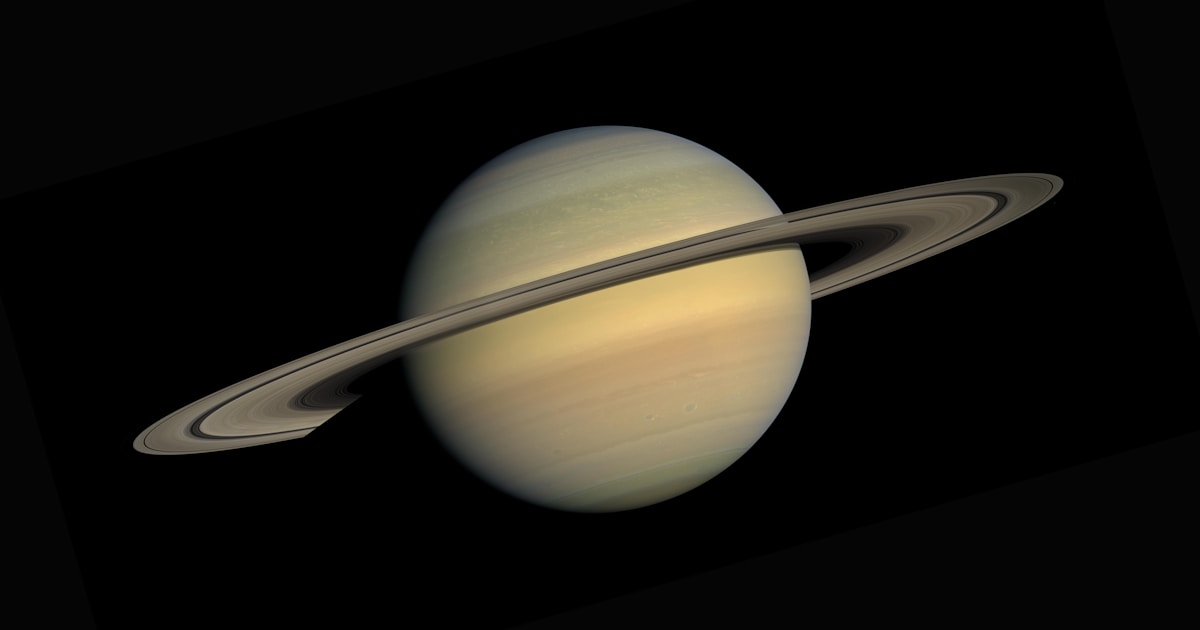
New Earth-Sized Planet Found 146 Light-Years Away — But Why Is -70°C Still 'Habitable'?
New Habitable Planet Discovered — But Wait, It's Freezing!
Breaking news this week: An international team of astronomers announced the discovery of HD 137010 b, an Earth-sized planet just 146 light-years away that might be habitable.
But here's the catch: its surface temperature could be -70°C (-94°F). That's colder than Antarctica's average!
So why are scientists excited about a frozen world? Let's explore the fascinating science.
What Does 'Habitable' Actually Mean?
When scientists say a planet is 'potentially habitable,' they don't mean you could walk around in a t-shirt. They mean:
The planet is in the 'Goldilocks Zone' — the orbital distance where liquid water could exist on the surface. Not too hot (water boils), not too cold (water freezes).
But here's the key insight: atmosphere matters enormously.
HD 137010 b orbits a cooler, dimmer star than our Sun. If it has a thick atmosphere with greenhouse gases, that -70°C estimate could be much warmer on the surface.
Curious? Try one 👇
Why is the sky blue?
Jump into the daily quiz →How Do You Find a Planet 146 Light-Years Away?
You can't just point a telescope and 'see' it. The planet is millions of times dimmer than its star. Instead, scientists use the transit method:
HD 137010 b was first spotted by citizen scientists (including the lead author when he was still in high school!) using NASA's Kepler telescope data. The dimming was tiny — but real.
Why This Discovery Is Special
There are over 5,000 confirmed exoplanets, but HD 137010 b stands out:
The next-best candidate around a Sun-like star (Kepler-186f) is 4 times farther away!
Could There Be Life?
Scientists are cautious. Dr. Sara Webb notes it could be a 'super snowball' — an icy world with frozen water. But consider this:
The Mind-Blowing Distance
146 light-years sounds close in cosmic terms, but:
What's Next?
The James Webb Space Telescope and future missions could analyze this planet's atmosphere — if it has one. Scientists will look for:
For now, HD 137010 b joins the growing list of worlds that make us ask: Are we alone?
---
Curious about space? Test your knowledge with our daily quiz and explore more cosmic questions!
<div class="mw-keep-reading"><h2>Keep reading</h2><ul><li><a href="/blog/asteroid-2024-yr4-moon-impact-2032">What If an Asteroid Hits the Moon? The 2024 YR4 Story</a></li><li><a href="/blog/dark-matter-map-webb-telescope-2026">Scientists Just Mapped the Invisible Universe - Here Is What They Found</a></li><li><a href="/blog/life-molecule-thiepine-interstellar-space-2026">Scientists Found a Building Block of Life Floating in Space - 27,000 Light-Years Away</a></li><li><a href="/blog/space-trivia-questions-and-answers">Space Trivia Questions and Answers: Cosmic Questions With the Why</a></li><li><a href="/trivia-question-of-the-day">Trivia Question of the Day</a></li></ul></div>
Curious? Try one 👇
Why is the sky blue?
Jump into the daily quiz →Keep Exploring
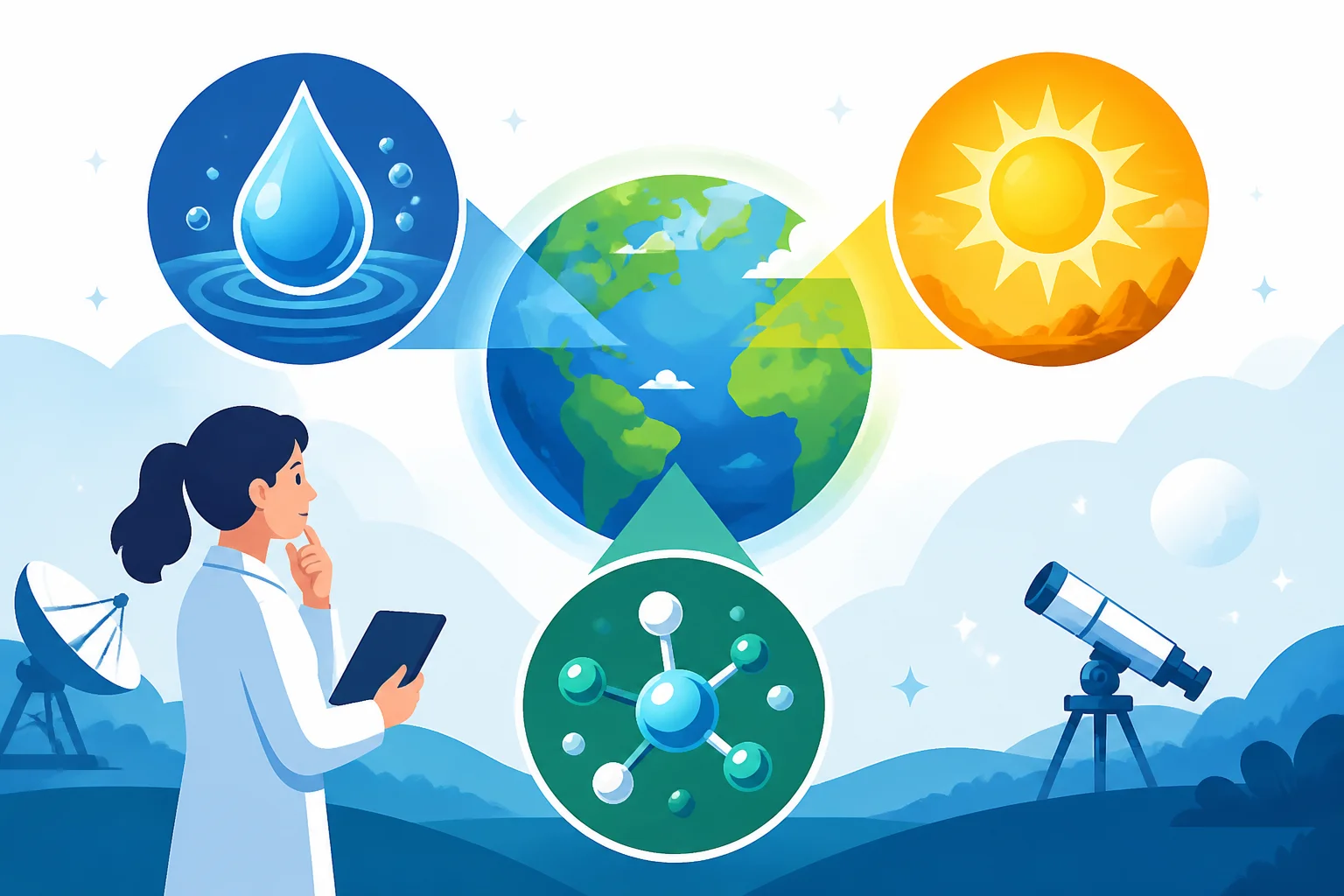
Why do scientists look for liquid water, energy, and the right chemistry together when searching for a habitable planet?
Astronomy & Space
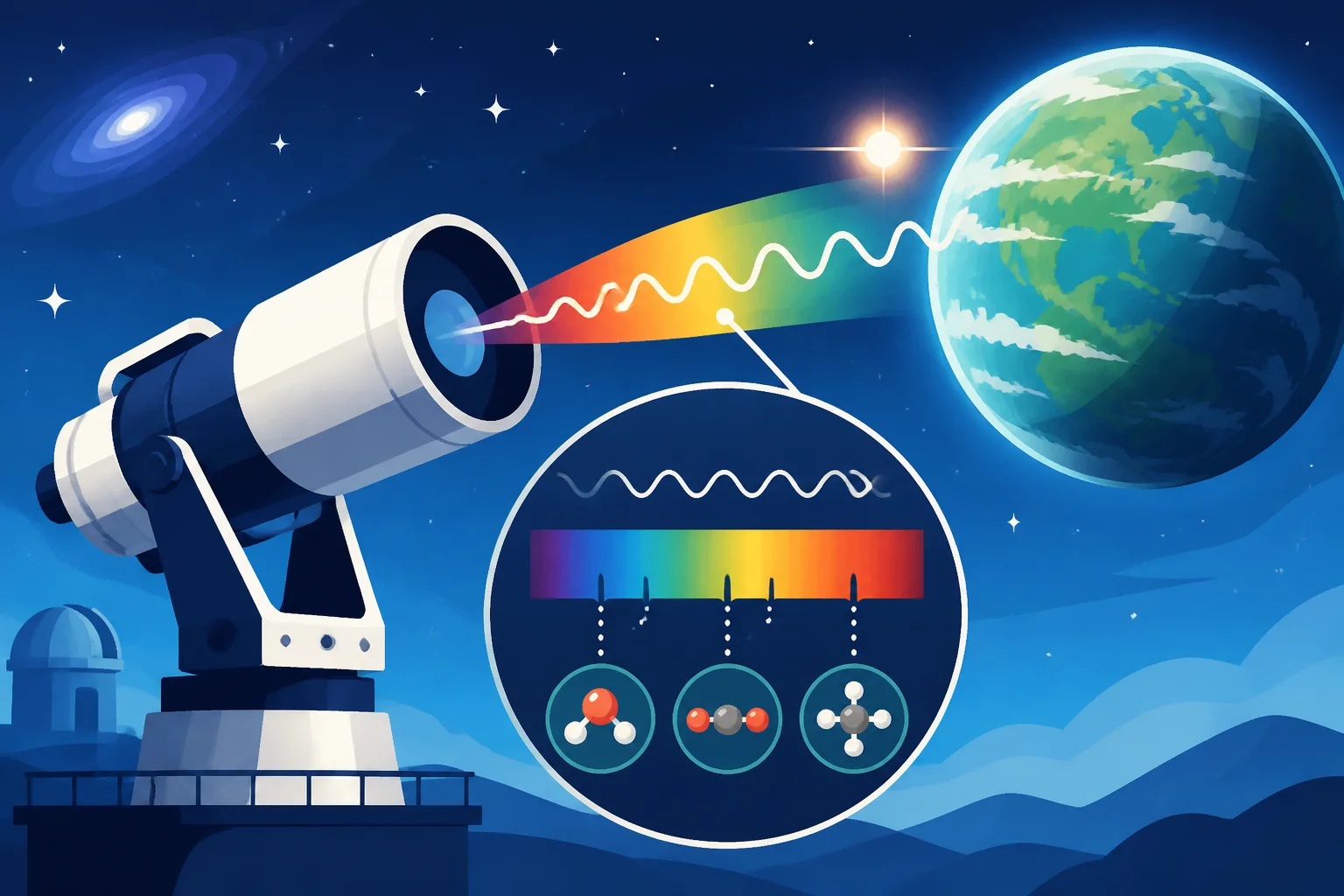
How can a telescope tell if a planet light-years away might have life, without ever visiting it?
Technology
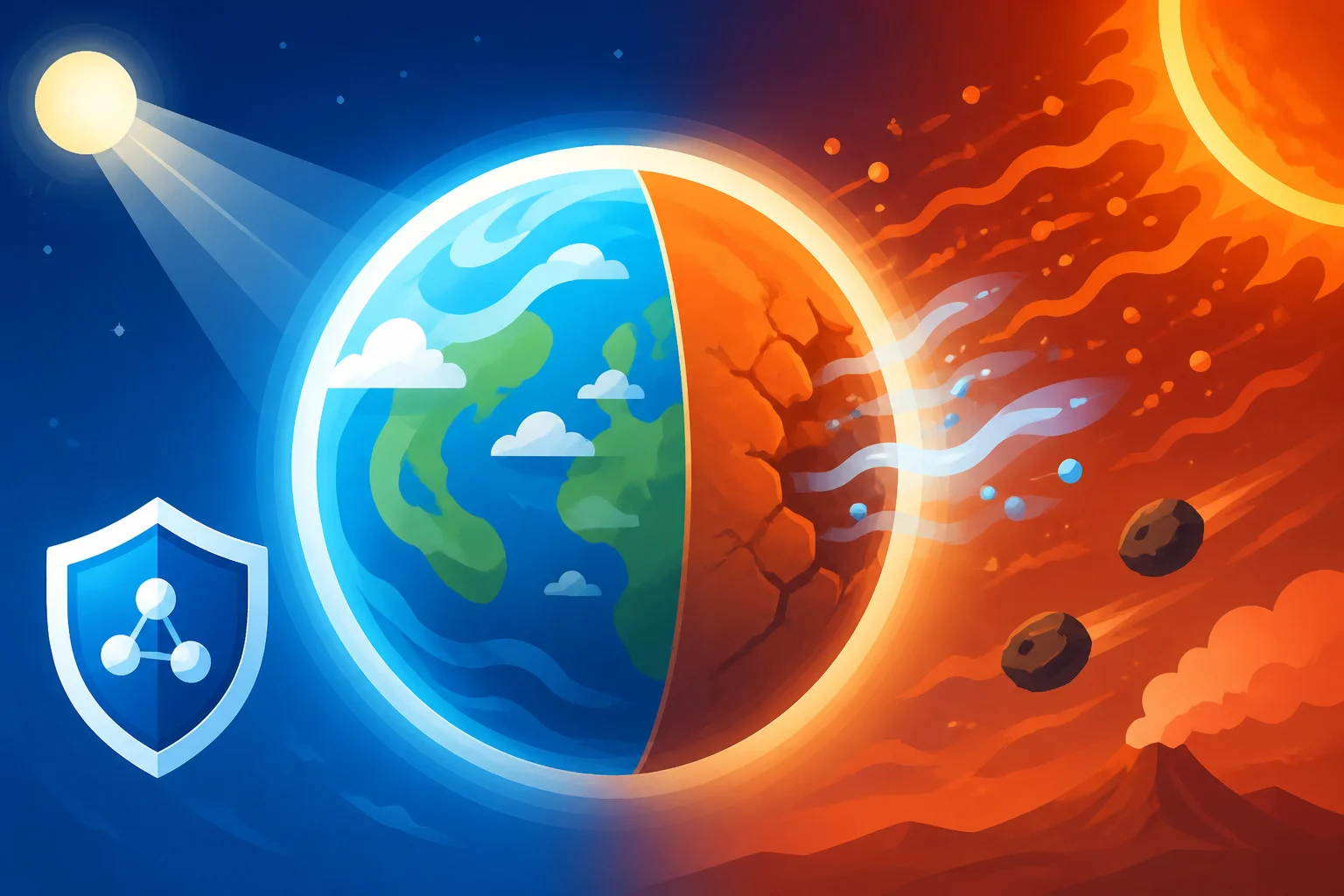
What ultimately decides whether a planet can keep its atmosphere for billions of years?
Astronomy & Space
Related Posts
Earth Day 2026: 12 Weird Whys About the Planet You Live On
From a 19.5-hour day stuck for 1.5 billion years to a mantle-wind black hole beneath Tibet, 12 mechanism-rich, verifiably true facts about Earth — each a 'small why' that changes how you see the planet. Earth Day 2026 edition.
Facts About Ice: Why Frozen Water Gets Weird
Facts about ice: why frozen water floats, expands, makes six-sided snowflakes, turns slippery, rejects sea salt, reflects sunlight, and shapes life on Earth.
Test Your Knowledge
Want to test what you learned about Space & Astronomy?
Take a quiz on this topic →